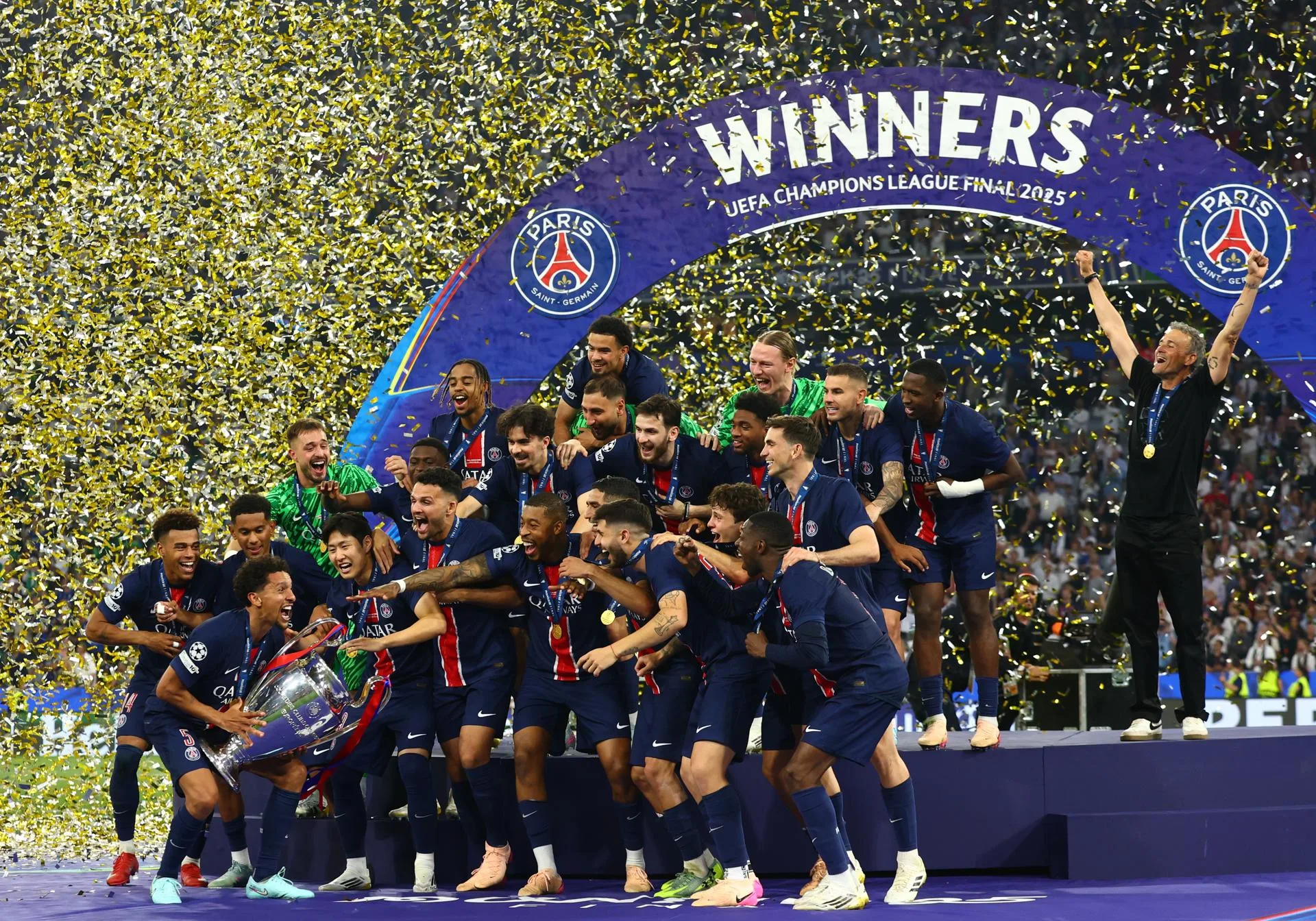
Recently, Paramount beat TNT Sports to the Champions League broadcast rights in the UK, starting from the 2027/28 season. The deal is worth $1.6 billion across three years through to 2030/31. TNT Sports (previously BT Sport) have held these rights since launching in 2015, and for the first time the coverage will move entirely off linear TV and onto the Paramount+ streaming platform.
If Paramount’s Champions League deal sounds massive, it is, but it is nowhere near what live sport is really worth.
Sport has always been one of the most significant parts of the nation’s identity, so important that major Tier A sporting events are protected by government legislation, meaning they have to remain on free to air TV (no paywall). Events like the Olympics, the FA Cup Final, Wimbledon and The Grand National remain readily accessible to the British public. But this continues to erode.
The first significant sport to move behind a paywall came in 1992, when the First Division of English football broke away from the Football League to become the Premier League. This was backed by Sky in a £304 million deal, changing the world of sports rights forever. The latest deal to broadcast Premier League football in the UK came to a combined £6.7 billion, over 2,000 percent higher than the 1992 deal. Cricket, golf and rugby shortly followed suit, taking these lucrative deals off the traditional free to air broadcasters.
Football is somewhat unique in managing to shift most of its live rights behind a paywall while still growing both viewership and grassroots participation. Other sports have not been so fortunate. When cricket moved to Sky, The Ashes fell from 8 million viewers in 2005 to just over 1 million within a decade, an 85 percent drop that fed directly into declining grassroots participation. The English Cricket board is still trying to reverse that with The Hundred, designed to attract younger fans and, crucially, return live games to the BBC where there is no barrier to entry. Formula 1 saw a similar dip after moving from the BBC to Sky, with its mainstream popularity only bouncing back thanks to the global success of Drive to Survive on Netflix.
Sport, especially football, is the most competitive part of the media landscape. Traditional, domestic, broadcasters are trying to hold on to their cash cows while new global players like Amazon, Netflix and YouTube, with their deep pockets, try to snatch those rights away. In a world where global consolidation (Sky Dance’s recent Paramount acquisition being the prime example here and the soon to be followed Warner Bros. Discovery sale) of media groups is becoming the norm, there’s only going to be more situations where domestically owned, free to air environments are priced out of the sporting environment.
There’s clearly so much value attached to live sport that the price keeps climbing, even when shifting behind a paywall inevitably reduces total audience. But why is it valued so highly?
In a world where media consumption becomes more fragmented every day, water cooler moments are few and far between. Live sport creates these moments, it creates a buzz and a shared conversation across the whole population in a way very few things do today. Whether it is in an office, the pub or a group chat, you just cannot miss out.
When a broadcaster wins sport rights, their new subscribers jump and retention increases. Sport is the catalyst for making yourself a major player in the market. In Q4 2019, when Amazon first broadcast the Premier League to align with their key Black Friday and Boxing Day periods, their UK Prime subscribers jumped by over 35 percent.
Live sport puts the broadcaster at the centre of the conversation. And what works for broadcasters works for brands too
Access to advertising in live sport means you can be associated with these moments. Moments you remember forever, moments you share with friends, family, or sweaty strangers who have just spilt their beer on you. It is powerful and it sticks.
People watch sport together. Some studies show up to 84 percent of people watch live sport with friends or family. When you watch a TV advert with someone else, you are 75 percent more likely to like the advert, 23 percent more likely to remember it and, depending on which team you support, if you are feeling happy you are 41 percent more likely to remember it. As a Manchester United fan, I’m not remembering a lot of ads currently.
Live sport is not only powerful because of how it reaches people, but also who it reaches. All of the hardest to reach, audiences watch live sport. Whether it’s Gen Z, gamers, who’s linear TV consumption is limited or the most affluent male, time poor audiences, you can still find them in abundance watching live sport – one of the few remaining places.
Now, you might think that given all of this, it is going to be extortionately priced and only the biggest brands will be able to advertise in it.
You would be wrong. You can buy a spot in Nottingham Forest vs Brighton this weekend for as little as £900. Fine, it is not the biggest game, but you can access Crystal Palace vs Manchester United for less than £10k.
Everyone wants the next big TikTok moment. Live sport gives you national moments. So maybe the real opportunity isn’t another Instagram ad someone glanced at, but about securing that 30” spot in the three-way season finale showdown for the Formula 1 championship in Abu Dhabi.
If Paramount is willing to rewrite its entire strategy around the value of live sport, it’s worth asking why more brands aren’t doing the same. With moments this powerful, the bigger gamble is not being there.