In our first week back at Piqniq HQ, the team spent some time thinking about what’s coming next in the 2026 media landscape.
So what might be in store for advertisers and consumers in 2026? The Piqniq team have chimed in with their top media predictions. From a box office resurgence and huge sporting World Cup moments, to audiences craving something more human and genuinely thoughtful.
Take a read of the team’s top predictions in Piqniq Predicts 2026 below:
Will it be 2026 when the AI bubble finally pops?
Unsurprisingly, I think AI usage is going to keep growing at an explosive rate. We’re already seeing it everywhere. Blog and LinkedIn posts with the tell tale em dash, the neat three couplet mic drop structure, opinion pieces that feel oddly familiar, and a surge of AI imagery and video filling both social feeds and TV screens. In December, McDonald’s pulled an AI led Christmas ad following backlash. Something didn’t land. It felt too polished, too empty. And I think that reaction is just a preview of what’s to come.
I think we’ll end up doing a 180, swinging back towards work that is clearly human. Not perfect, but opinionated, and maybe even a little bit messy. Writing that doesn’t fade into sameness. Strategy that’s grounded in real thought rather than scraped from proprietary data analogies. Creativity that feels and looks tantalisingly imperfect.
Will the AI bubble pop in 2026? Maybe. Or maybe it needs to inflate to full hot air balloon size before we all look back and realise that what we were doing before AI was… actually not too bad. This isn’t to say I don’t appreciate nor make use of the benefits of AI. Asking it for advice as a newly appointed bulldog owner or speeding up manual data entry? Great. But when we replace real craft and thinking with generative AI, that’s what I think (& hope) will eventually pop the bubble.
Fidelma Fox, Client Lead
They thought 2025 was the year of the independent agency, we’re only just all getting started!
Over the course of 2025 we saw network agencies going through major upheaval. Mergers and restructures were ten a penny. Some agencies even exited holding company ownership all together. Whilst holding companies tightened their belts, independents rocketed off in a different direction. We grew, new agencies launched, and were recognised for it, with Campaign dubbing it ‘The Year of the Indies’. And what a year it’s been! At a time when trust, transparency and senior expertise matter more than scale, independence is a commercial advantage. Indies are better suited to the current market – we can move faster, operate with lower overheads and ensure leadership is accountable for client impact.
One of the most exciting developments was the coming together of UK independents to form the Alliance of Media Independents (AMI) of which Piqniq was a founding member. Together the group now pools well over £1 billion in billings and is building collective influence to rival that of the networks.
Looking towards 2026, I expect this momentum will continue. AMI’s collective strength unlocks access to data, credit and opportunities that were previously out of reach for many independents. As legacy brands rethink their agency relationships in the wake of a tumultuous year, independents are starting to look less like an alternative and more like the obvious choice. Smaller, more agile, smarter and increasingly well positioned for what comes next.
Bee Pearson, Founding Partner
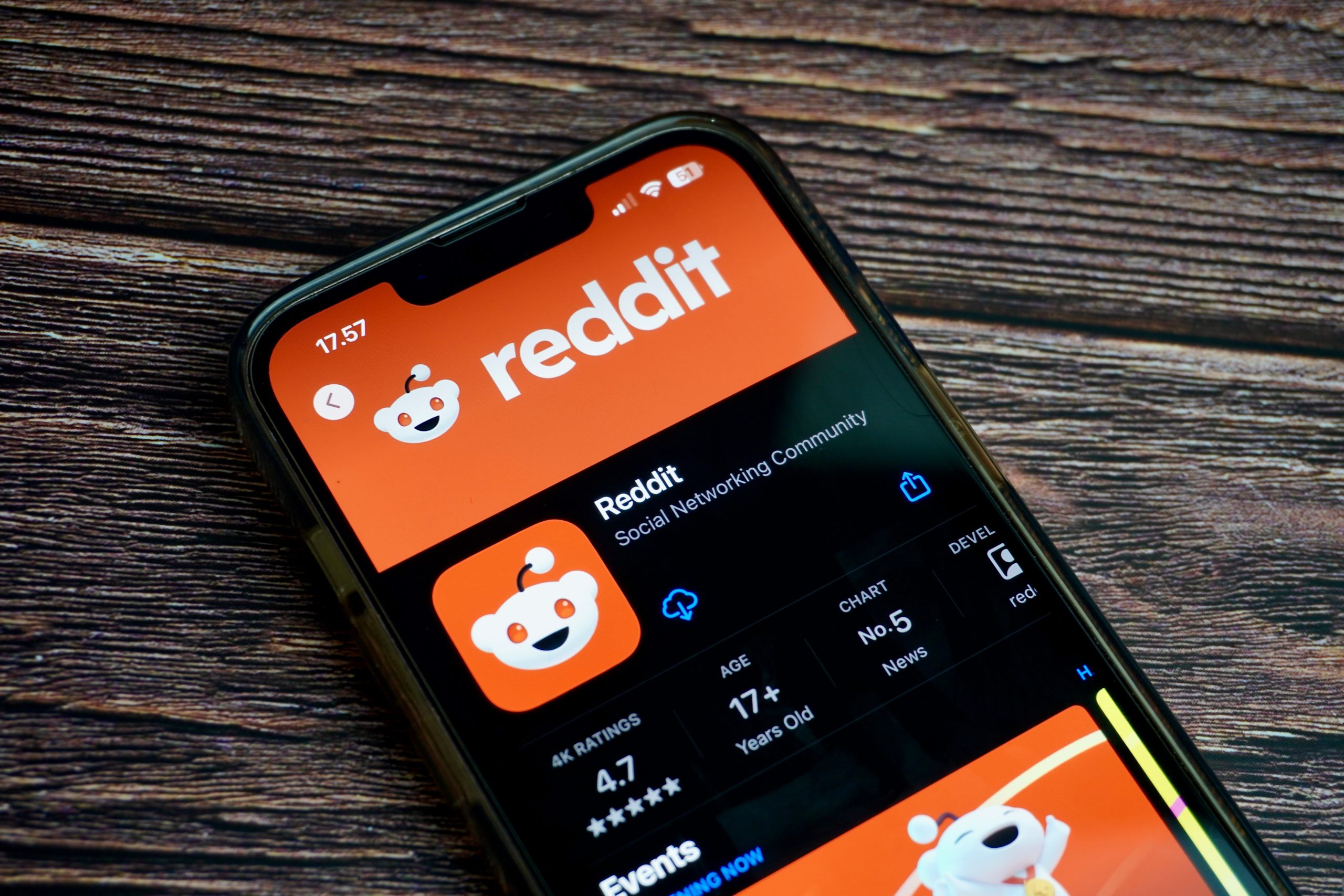
People are craving the opposite to AI, content made by humans on platforms like Reddit
Reddit is now the UK’s fourth most visited social media platform. Two years ago, that would have sounded unlikely. As AI-generated content floods feeds, it’s becoming increasingly hard to tell what’s real anymore. In response, people are craving the opposite – content made by humans. While platforms like TikTok lean further into AI-driven content, Reddit has quietly overtaken them, reinforcing just how quickly media consumption is changing.
Reddit’s growth is being fuelled by several factors. Google’s algorithm shift towards prioritising helpful, discussion-based content has played a huge role. Deals with Google and OpenAI have also boosted visibility, with Reddit now the most cited source in Google AI Overviews.
Behaviour is the real story, with younger audiences actively seeking real opinions on topics like parenting, skincare and sport. These topics are ‘human’, where personal opinion is not just wanted, it’s needed. In the UK, Reddit’s second-largest market, more than half of users are women. Beauty, parenting, Premier League and women’s football communities are all surging.
With UK users up 88 percent in just two years, I just don’t see this slowing down. As trust in AI-made content becomes more complex, Reddit may become one of the few homes of genuinely human conversation.
George Hughes, Account Manager
Connected TV is where brands will deliver the most effective media moment – users are happy to accept ads with quality TV content
Connected TV has been growing at pace for years now, and heading into 2026 there’s no sign of that slowing. Audiences continue to fragment, viewing habits continue to shift, and the media landscape keeps evolving in response.
It’s no surprise that advertisers are steadily moving investment from linear TV into CTV. As lighter TV viewers migrate away from traditional schedules, brands are following them, using premium streaming placements to maintain reach and relevance. At this point, CTV is no longer a nice-to-have. If it’s not already on your media plan, it’s almost certainly on your competitors’.
What’s accelerating this shift even further is the changing shape of the streaming market itself. The UK has reached a major inflection point, with ad-supported subscriptions overtaking ad-free plans for the first time. Rising living costs and subscription fatigue are pushing viewers towards cheaper packages that include advertising, with ad-supported subscriptions forecast to reach almost 26.5 million by the end of 2026 (up around 7 million year-on-year). Over the same period, ad-free subscriptions have fallen to 23.1 million, reinforcing a clear shift in consumer behaviour.
And the opportunity is only expanding. HBO Max launches in the UK in March 2026, bringing together premium entertainment across Warner Bros. films, HBO dramas, and TNT Sports. Moving forward the eagerly awaited Harry Potter TV series and medical drama The Pitt, will sit exclusively on HBO Max.
When those moments land on the biggest screen in the home, within high-quality, shared viewing environments, they carry more weight. They feel more intentional and premium. As capabilities continue to expand, CTV isn’t just complementing linear TV. It’s becoming one of the most powerful places for brands to stand out across the big screen.
Rachel Hickey, Senior AV Manager
After many false starts, 2026 will finally be the year we get some real collaboration between broadcasters
2025 made one thing clear, collaboration is now a commercial necessity. Broadcasters that were traditionally defined as staunch competitors are now working together and 2026 will be the year we see those partnerships come to life. Projects that have been discussed for what feels like years (!) are finally moving into execution, and are set to redefine the TV market.
In 2026, we can expect to see the launch of Lantern, the joint measurement solution from ITV, Sky, Channel 4 and Thinkbox. Lantern promises advertisers a clearer, consistent view across platforms and will launch alongside Universal Ads opening up broadcaster addressable inventory to SMEs, fundamentally reshaping access to premium TV.
This isn’t just collaboration for the sake of optics. It will help drive innovation faster than ever. It will break down silos, strengthen measurement and finally bring broadcaster and digital planning closer together into a single, powerful ecosystem. Hallelujah! It might not solve everything overnight, but it’s a meaningful step forward. Honestly, after years of fragmentation, it’s hard not to feel at least a little bit hopeful about that.
Katy Sharpe, Founding Partner
Gen Z want more than just brain rot and memes, brands that are already offering depth and curated thought are already winning out
Substack, a popular online publishing platform that helps users build subscription-based businesses for their content through newsletters, articles, podcasts and videos has been steadily on the rise, but I think 2026 is when we are all going to sit up and take notice.
Social platforms are dominated by memes and five second dopamine hits. Brain rot, to put simply. Amidst this, there’s a quiet counter-movement emerging, with Gen Z forming its foundation. Gen Z are looking for content with depth, for curated real thought. Against this context a Substack essay really stands out. It’s long-form and considered. It feels premium, like a little treat for the brain which has now become increasingly rare.
Some brands are already ahead of the curve. Rare Beauty, Sale & Tony Burch are already leaning into the benefits of the platform, helping to create space for writers to become influential voices rather than just content creators. I predict we’ll see more and more brands recognising the value and power of this level of curation over the course of 2026.
Savannah Quain, Account Executive
The biggest World Cup in history, with more opportunities than ever before for brands on screen
ITV are launching a new ad format for the Six Nations which is a half-screen overlay that appears during injury breaks in England games. This looks like ITV is quietly testing the waters to see how fans react. Because what’s coming this summer is much bigger.
The 2026 World Cup is going to be huge. With at least two home nations almost certainly qualifying, the amount of cash flooding into the market will be unprecedented. Demand for airtime will spike. Inventory will tighten. Advertisers will be desperate for space, and broadcasters will need to find new ways to meet that demand without breaking the viewing experience entirely.
When the World Cup rolls around, I predict this format will return as a permanent feature. During VAR check and during the mandatory three-minute drinks breaks. Not because it’s flashy or innovative, but because ITV will need every viable second of inventory it can unlock and this is one of the few places left to find it.
Oli Hill, Senior AV Manager
The 2026 cinema slate, the ultimate opportunity for brands to get themselves alongside quality content
I’m expecting 2026 to be the year of cinema. As a true film buff, this is music to my ears! Since the COVID pandemic, box offices and cinemas in general have struggled to truly rebound. But I’m predicting 2026 will finally buck that trend, with a huge slate of big-screen releases set to bring audiences back in force.
From the return to form of the Marvel Cinematic Universe, with the Avengers back in Doomsday, plus Tom Holland and Zendaya returning for Spider-Man: Brand New Day, to Christopher Nolan’s take on the epic Greek adventure The Odyssey, 2026 is shaping up to be a standout year for blockbuster storytelling.
And it doesn’t stop there. We’re also set to see the latest Disney live-action remake in Moana, with Dwayne “The Rock” Johnson moving from voicing Maui to playing him on screen. Add the return of Star Wars to cinemas, a third Dune instalment, and a sequel almost 20 years in the making with The Devil Wears Prada back, and there truly is something for everyone. We’re just maybe missing some originality and new stories…
For audiences and advertisers alike, 2026 feels like the year cinema comes roaring back.
Tomike Omotayo, Account Executive