
Comcast (via Sky) is reportedly in talks to buy ITV’s broadcast and streaming arm for around £1.6 billion, in a potential reset moment for UK broadcasting.
Sky’s growth has plateaued, the streaming wars are relentless and traditional pay TV is fading. ITV’s free-to-air channels and the millions of users on their ITVX platform would instantly give Comcast greater reach, richer data and more ad inventory, which remain the three currencies that drive media power.
For ITV, in their milestone 70th year, this could finally separate the more challenging linear business from their jewel, ITV Studios. Offloading broadcast would allow ITV Studios to license hit shows to whoever pays most, a future-proof model in a fragmented content economy. And it might finally shore up a decade-long decline in share price, down over 50% in 10 years.
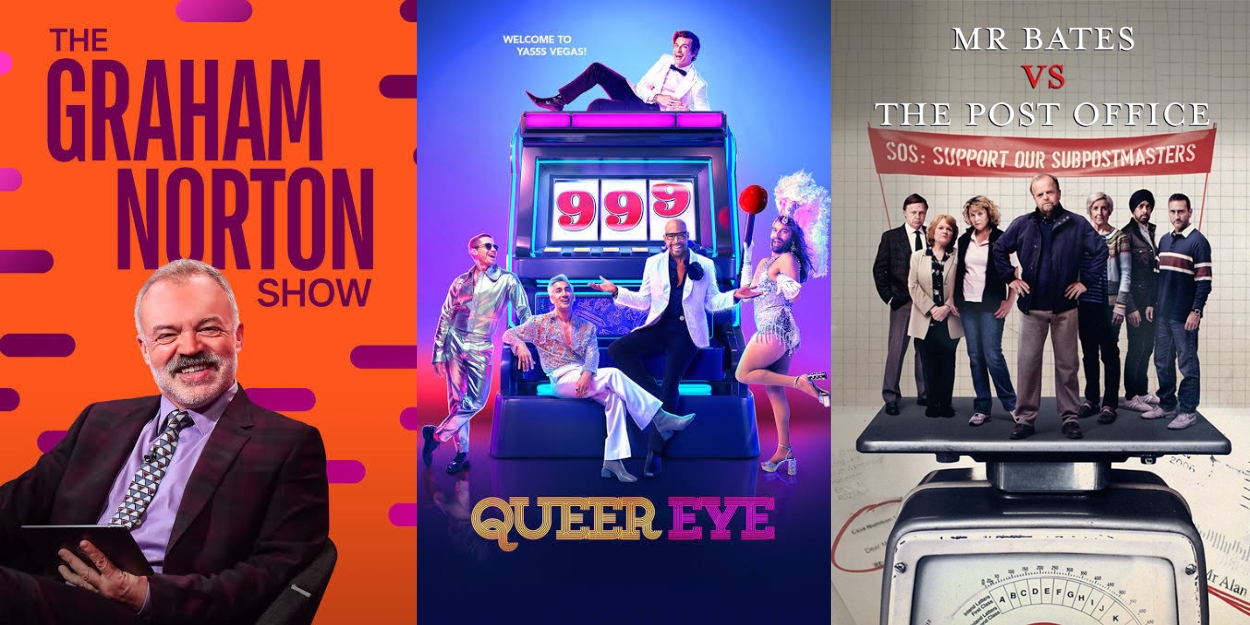
The regulatory test will be huge. A merged Sky-ITV group would dominate UK TV advertising, normally a deal-breaker for a regulator cautious of monopolies. It would leave the UK with one privately owned broadcaster, and Channel 4 competing as the state-owned underdog. With the Starmer government signalling a more “strategic” approach to competition, Comcast’s argument may yet win out: let us consolidate if you want British TV to survive against Netflix, Amazon, YouTube and Disney. But with broadcasters, ITV included, spending the last few years arguing that YouTube isn’t TV, how well will this truly land?
If the government blocks the deal, though, it can’t simply say no and move on. UK broadcasting is under huge pressure. Broadcasters continue to be squeezed as ad revenues are steadily eroded by Google and Meta. If this doesn’t happen, the government will need to step in with another solution – tax incentives for homegrown content investment, clearer support for public service broadcasters, modernised ad regulations that level the playing field with digital giants and even extending public service remits to the streaming giants.
European markets, which have previously blocked similar mergers, may rethink their stance if the deal goes ahead. That could open the floodgates for a new wave of pan-European consolidation, broadcasters finally properly joining forces to compete with the onslaught of US tech giants.
The current media climate is unforgiving. ITV’s 9% decline in ad revenue reported last week reflects a wider trend across linear TV. The deal and consolidation clearly offers commercial efficiencies. But a potential duopoly controlling 70% of the market wouldn’t be good for competition and could drive up costs for advertisers. It’s a move that could protect British storytelling, or price smaller advertisers and independent voices out of the conversation entirely. Whatever happens next, advertisers and audiences alike will feel the ripple effects, truly a defining moment for British media.